

June 14, 2019
Reducing the risk of post-transplant hair loss, or shock loss
Shock loss is rare and usually temporary. Why it happens, and the three things surgeons do to keep the risk of it down.
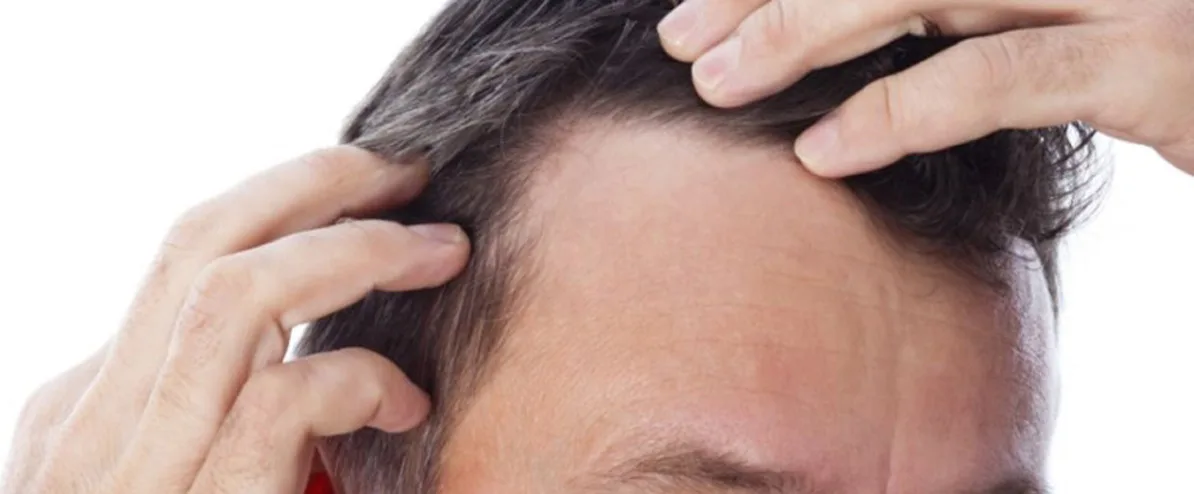
Many hair transplant patients are taken by surprise by what is known as post-operative hair loss, also referred to as post-operative effluvium or shock loss, after their procedure. Although this phenomenon is rare, it does occur in a minority of patients. In most cases this post-transplant hair loss is temporary, but it is worth knowing the details for anyone considering a hair transplant.
Reducing the risk of post-transplant hair loss, or shock loss
When does post-transplant hair loss occur?
Shock loss can occur for several reasons:
- The hair follicles around the treated areas may enter a resting phase: a reaction of the scalp to the transplant, which the body perceives as trauma.
- Some inexperienced surgeons damage the surrounding follicles during the procedure.
Post-transplant hair loss affects the recipient area more often than the donor area, though both areas may be affected if something goes wrong during the operation.
Several ways of limiting the risk of post-operative shock loss
Here are several ways hair surgeons prevent or limit the risk of hair loss after a transplant.
Drugs
As a preventive measure, some surgeons prescribe minoxidil to limit the risk of healthy hair being lost following the transplant. Finasteride is generally intended for post-operative use, to limit the miniaturisation of hair follicles in the areas neighbouring the recipient area, where the grafts are implanted.
Limiting trauma to the scalp
When the scalp is under strain or traumatised, the hair follicles are forced into the telogen phase prematurely, and sometimes for a prolonged period. Unfortunately there is no way to guarantee that post-operative hair loss will not happen, but the risk can be greatly reduced by performing the procedure correctly. Follicular unit extraction specialists know how important it is to avoid damaging the hair in and around the treated areas, both in the donor area and in the implantation area, in order to limit the risk of shock loss.
Minimising the transection rate
Transection is when the internal structures of the hair follicles are so severely damaged during the transplant that they cannot be restored or regenerate. This can cause permanent hair loss, something rarer still than temporary post-operative hair loss. It is why it is always better to turn to a surgeon qualified in the treatment of baldness.
Seek the advice of a specialist
Receive a free personalised diagnosis and an estimated quote prepared by Dr Seffen from your photographs.