

October 12, 2019
Drug treatments for hair loss
Finasteride and minoxidil, what they do and who they suit. A little prevention can bring considerable benefit, and waiting for hair loss to do its damage is never the better option.
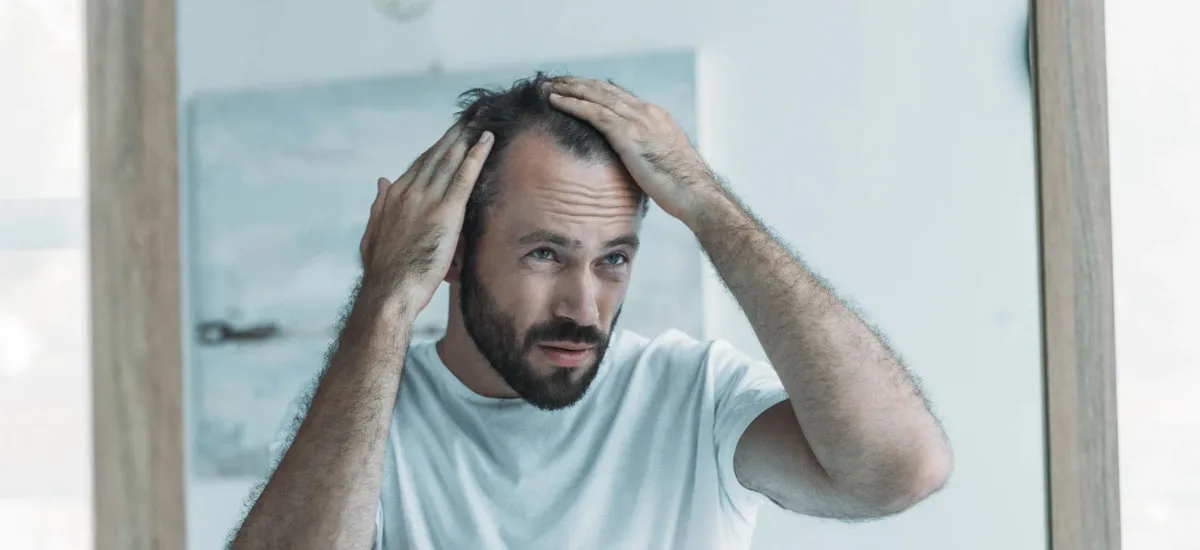
Where hair loss is concerned, a little prevention can bring considerable benefit. Although the modern FUE hair transplant method can recreate perfectly natural hair, it is never better to wait for hair loss to do its damage before acting. Hair loss can be limited, and even stopped, with specific drugs such as minoxidil and finasteride. Dr Seffen has long helped his patients with micro-surgical and non-invasive hair restoration treatments, because he understands the very real positive impact these treatments can have on wellbeing.
For the opinion of an experienced and trusted specialist, go to the contact form on drseffen.com.
Drug treatments for hair loss
Do the drugs really work?
Finasteride and minoxidil can have a significant impact on hair growth. Studies have shown that finasteride slows hair loss in nearly 90% of men and stimulates hair growth in 66% of them. Those figures make finasteride the most effective oral treatment on the market today. It is also one of the few drugs approved by the health authorities.
Minoxidil, also known under the leading brand name Rogaine, was approved by the health authorities in 1988. One study reports that men who used the 5% concentration of the topical drug for five months saw greater regrowth than those who used a 2% concentration or a placebo. The results are clear: minoxidil and finasteride can make a plainly visible difference.
Is finasteride right for me?
This drug fights hair loss at its source, by preventing the body from converting testosterone into dihydrotestosterone (DHT), the hormone responsible for hair loss. DHT attacks the hair by binding to its follicles, weakening them, causing them to waste away and then die. Researchers point out that taking 1 mg of finasteride a day can reduce the DHT level in the scalp by nearly 60%, with larger daily doses able to block up to 70% of DHT. Put simply: finasteride lowers the DHT level and stops hair loss from progressing.
Is minoxidil right for me?
For those who do not want to commit to taking an oral drug regularly, minoxidil can give good results. It is a topical treatment applied to the scalp as a liquid or a foam. Unlike finasteride, this drug is indicated for men and for women.
Finasteride and minoxidil can be combined, along with other treatments such as PRP injections, to obtain more significant results more quickly. Patients can expect to see regrowth from four months after the start of treatment.
Seek the advice of a specialist
Receive a free personalised diagnosis and an estimated quote prepared by Dr Seffen from your photographs.