

October 15, 2019
Hair restoration: the minimally invasive surgical option
For patients with significant hair loss, a transplant is the only treatment proven to restore natural hair growth in thinning areas. How FUE made the procedure easier to go through.
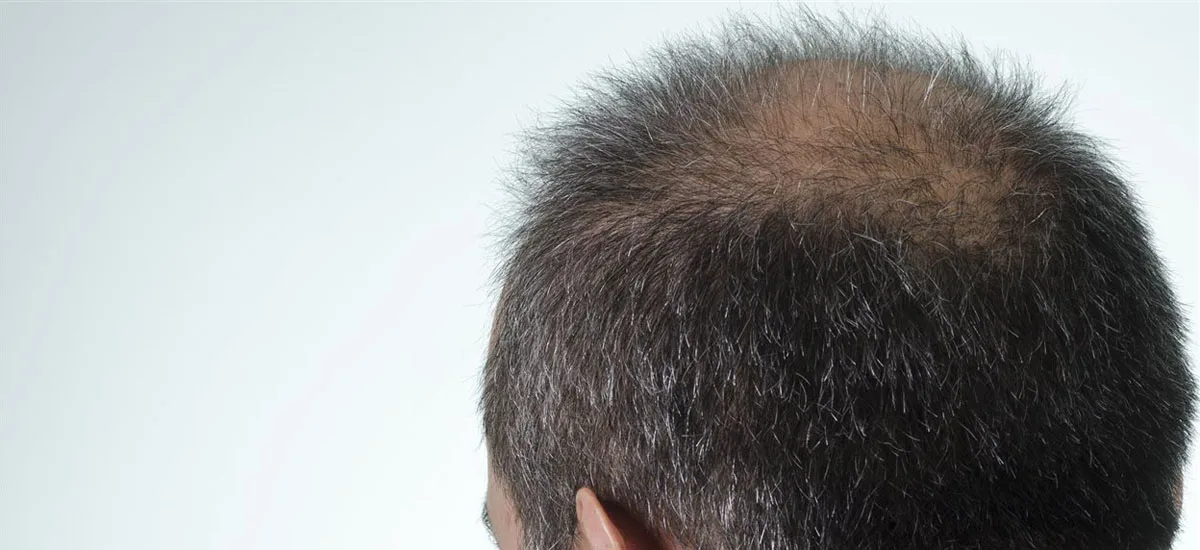
For patients with significant hair loss, a hair transplant is the only treatment proven to be effective in restoring natural hair growth in thinning areas. If you have reservations about having a hair transplant, you should know that advances in surgical technique have made the procedure far easier for patients, considerably reducing the discomfort and shortening the healing time.
Modern hair transplantation enjoys a high satisfaction rate and also gives more natural results. Patients report, moreover, that the final result more than justifies the cost of the procedure. Here is how the procedure works.
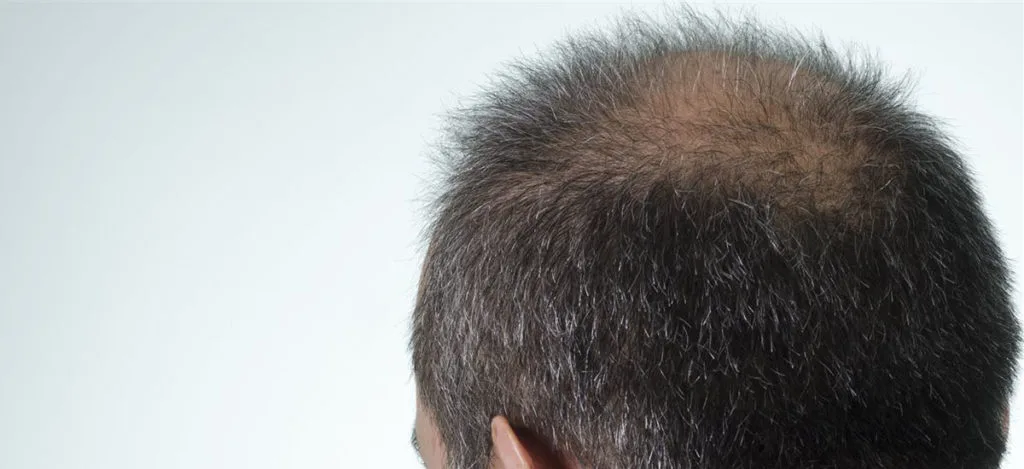
Hair restoration: the minimally invasive surgical option
The FUE hair transplant technique
The FUE method (follicular unit extraction) answered the need to obtain excellent results while removing the major drawbacks of the process. As with the older method known as FUT, the procedure consists of harvesting hair follicles from the back of the head and implanting them so as to obtain the desired result: thicker hair, thinning areas filled in, and so on, while keeping the hair natural. Unlike FUT, the FUE technique does not remove a strip of scalp from the back of the head in order to take the follicular units from it. Instead, the follicular units are harvested one by one and then implanted using an implanter pen, or placed in micro-incisions made beforehand to receive them. This individual harvesting method makes FUE a particularly versatile technique, also used to restore the beard or to rebuild missing hair in the eyebrow line.
Although FUE takes longer on average, it spares the patient the removal of a strip of scalp, which results in a visible linear scar at the back of the head. The method also reduces healing time and limits the unpleasant sensations associated with the surgery itself.
Whatever treatment you choose, it matters to consult a qualified practitioner
If you have a hair loss problem, Dr Seffen encourages you to discuss it with him before the condition worsens. Several treatments exist to limit the progression of hair loss. If you wait too long before acting, the preventive options will be less beneficial. When it comes to surgical hair restoration, consulting a qualified specialist matters more still.
Seek the advice of a specialist
Receive a free personalised diagnosis and an estimated quote prepared by Dr Seffen from your photographs.